Movement AI and Mutual Aid Food Infrastructure
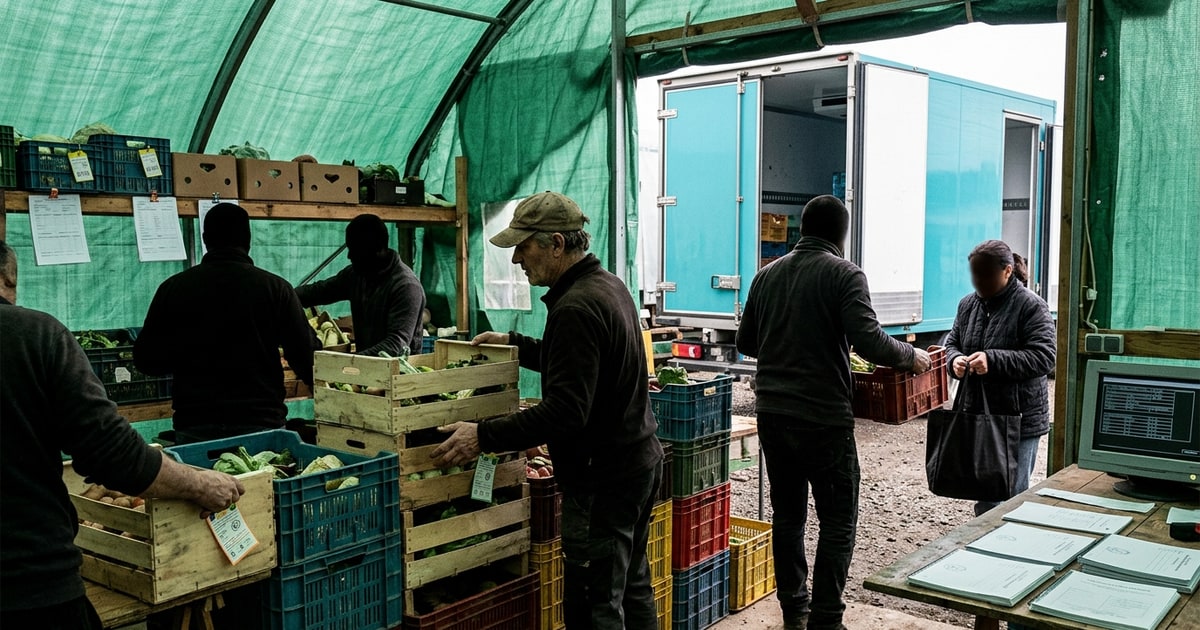
Movement actors are deploying agentic systems for agroecology, as Brazil's MST engineers movement-led AI tools to secure food sovereignty against proprietary capture. Simultaneously, mutual aid networks and community resource loops—exemplified by Lebanon's social grocery cooperatives and Mozambique's waste-to-resource collectives—are hardening decentralized infrastructure against supply chain collapse and state failure. These commons-based strategies counter algorithmic enclosure, even as smallholder exclusion from AI benefits and ecological chokepoints, such as the caribou emergency, underscore the urgency of reclaiming material and digital agency.
The sources
10 sourcesThe reporting and analysis behind this edition, scored for Metaviews relevance where assessed.
| Source | Title | Relevance | Tier |
|---|---|---|---|
| La Via Campesina | Brazil: The MST and Allies are Building a Social Movement-led AI Tool (IARAA) for Agroecology For the construction of the technical and political foundations, a team of agroecology experts from the movements, representing all regions of Brazil, has been … | 9/10 | Tier 2 |
| Foreign Policy | The Threat of Unrest Is Decarbonizing the Global South Oil and gas price spikes are doing what decades of climate diplomacy struggled to achieve. | 8/10 | Tier 3 |
| The Conversation | AI offers promise for agriculture, but smallholder farmers risk being left behind Globally, agriculture faces mounting pressures. These are driven by climate change, land degradation, labour shortages, supply chain disruptions and the demand … | 8/10 | Tier 4 |
| Al Jazeera English | Lebanon’s social grocery store fighting rising costs and displacement ‘Man wa Salwa’ is a community-run social grocery store helping hundreds of families access affordable essentials. | 8/10 | Tier 3 |
| The Conversation | Canada should invest in nature as critical infrastructure In March, Canadian Prime Minister Mark Carney announced A Force of Nature: Canada’s Strategy to Protect Nature. The government says the strategy will invest $3.… | 8/10 | Tier 4 |
| Global Voices | Rubbish as a resource: How communities in Mozambique transform waste into climate solutions Faced with rapid urbanization, fragile waste management systems, youth unemployment and growing climate vulnerability, artists, activists, musicians, and commun… | 7/10 | Tier 3 |
| The Tyee | Will Canada Issue an Emergency Order to Protect Caribou? If it doesn’t happen, they’re ‘doomed,’ says Okanagan Indian Band Chief Dan Wilson. | 6/10 | Tier 3 |
| The Conversation | Supermarkets are going back to the future Buying groceries at a big supermarket is a relatively new phenomenon. Prior to the early 1900s you would have done your shop in the small, family-owned, butcher… | 7/10 | Tier 4 |
| The Conversation | Smart sensors could help Canada tackle its $58-billion food waste problem Each year, Canada generates roughly $58 billion in avoidable food waste, much of which is from spoilage that goes undetected until it is already too late. With … | 7/10 | Tier 4 |
| Global Voices | Ugandan activists make the case for ecofeminism In this edition of Undertones, we explore a narrative calling for women to play a central role in climate-related decision-making in Uganda. | 5/10 | Tier 3 |